
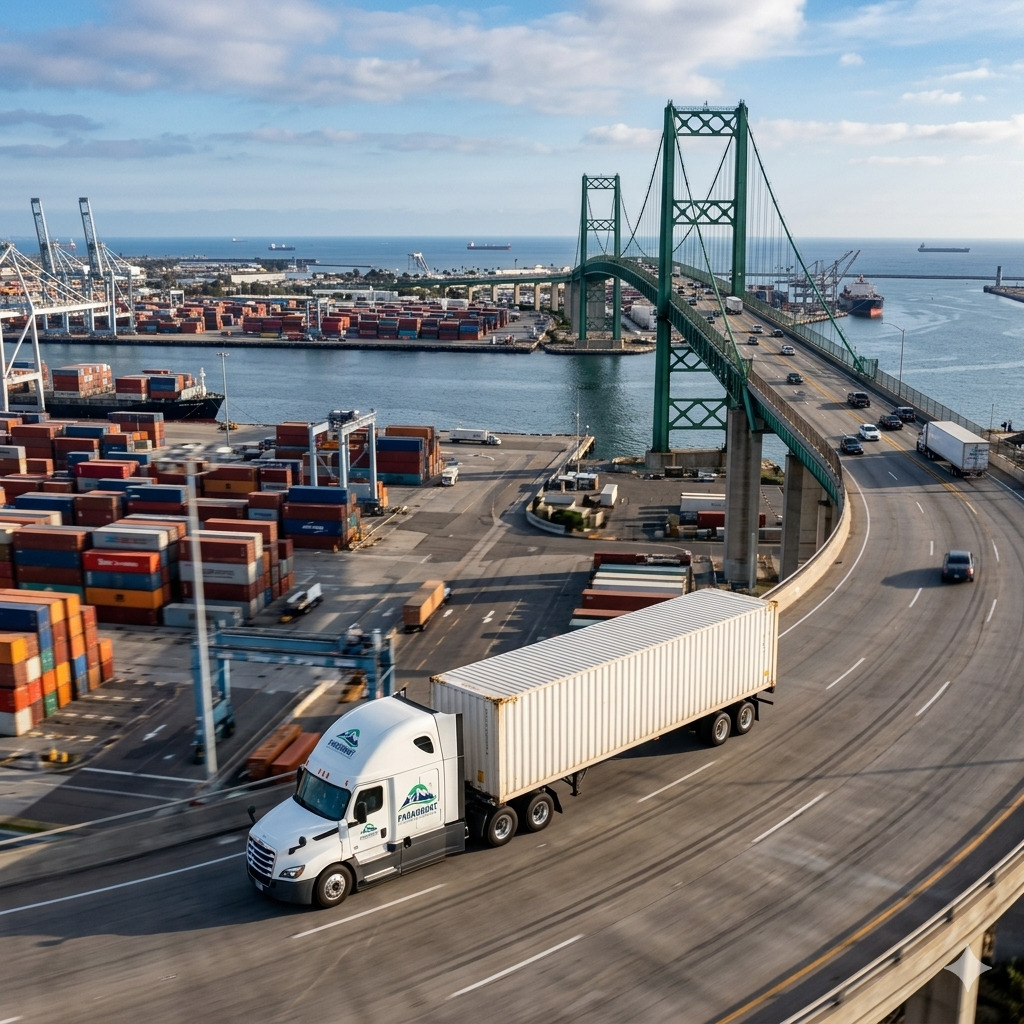
The Ports of Los Angeles and Long Beach (LA/LB) are the dual heart of West Coast trade, handling roughly 40% of all U.S. containerized imports. However, for many logistics managers, they are also the primary source of supply chain bottlenecks.
Effective drayage—the short-haul movement of containers from the terminal to a warehouse or rail ramp—is the vital bridge that prevents cargo from coming to a standstill. In 2026, the difference between a smooth operation and a logistical nightmare lies in two words: Visibility and Timing.
The “Hidden” Costs of Port Friction
In the current port landscape, moving a container is the easy part. The real challenge is managing the administrative and operational variables that can erode your margins.
-
Demurrage and Detention: These aren’t just fees; they are symptoms of poor synchronization. With terminal storage rates increasing, a single day of delay can cost hundreds of dollars per container.
-
The Appointment Paradox: Terminal appointments in LA/LB are a limited commodity. Success requires a data-driven approach to secure slots that align with vessel discharge and trucker availability.
-
Empty Returns: One of the biggest efficiency killers in SoCal drayage is the “double-move”—the ability to return an empty container and pick up a full one in the same trip. This reduces bobtail miles and lowers the overall carbon footprint.
Data-Driven Transitions
At Paramount Intermodal, we treat drayage as a high-stakes game of timing. The goal is total visibility: knowing exactly when a container is “vessel discharged” and “cleared for pickup” in real-time. This allows for a seamless transition to the rail ramps or local distribution centers, effectively bypassing the port’s natural friction.
For a supply chain to be resilient, it must be agile. In the LA/LB complex, agility is powered by a drayage partner who understands that every hour spent inside the terminal gates is an hour of lost productivity.